
Pinion
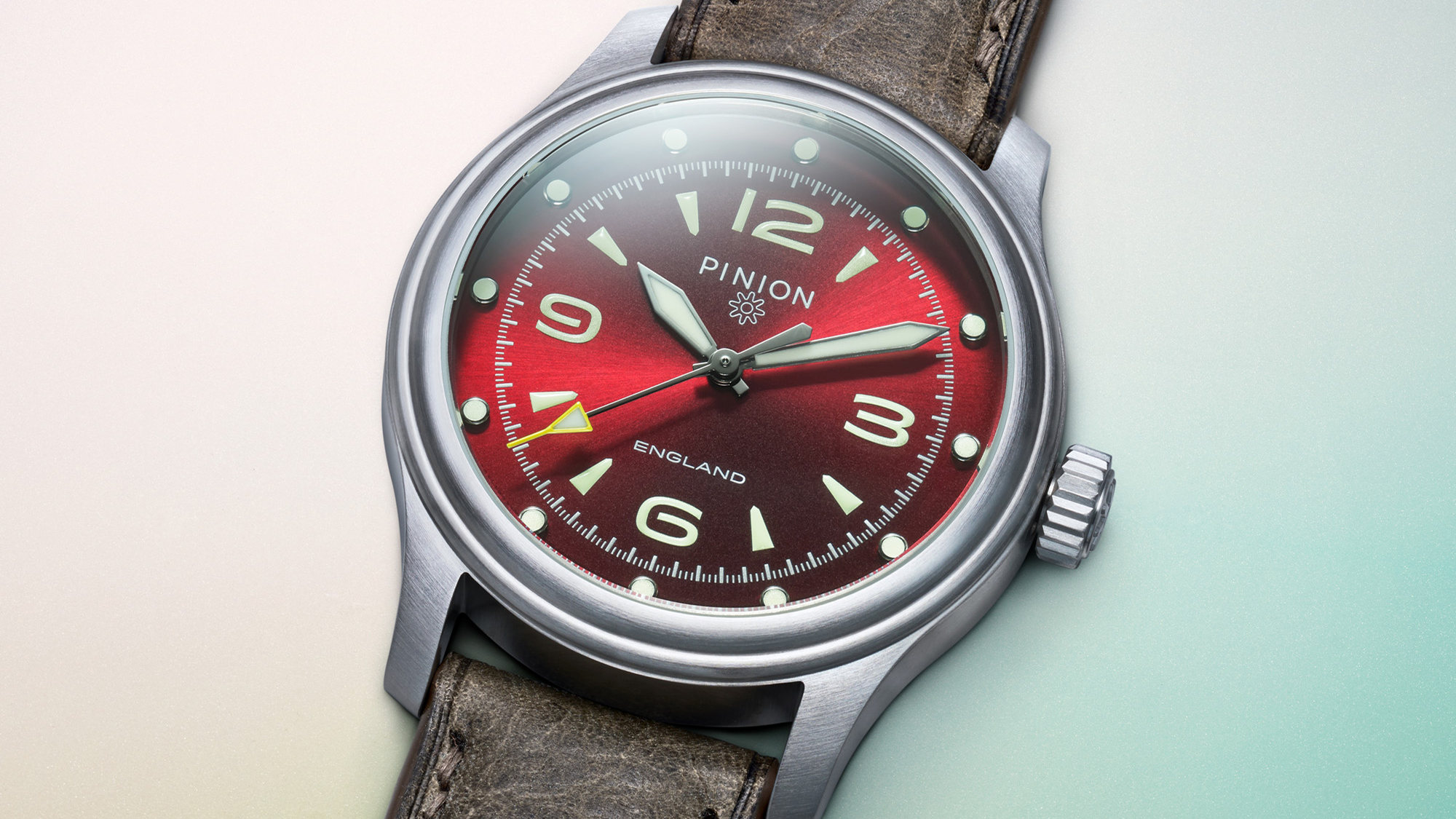
Background
In 2013, I stepped away from a successful digital agency I had co-founded to follow an unexpected but compelling calling: designing and launching my own mechanical watch brand. As a lifelong designer, I’ve always been drawn to detail, but it wasn’t until my 30s that I became truly fascinated with horology. That fascination soon became an obsession—and eventually, a company.
What began as a passion project has since evolved into Pinion, an independent British watch brand that combines precision, heritage, and clarity of design. What makes this part of my UX portfolio isn’t just the product—it’s the entire end-to-end process of bringing something to life for real users, from initial idea through to customer delight.
- Full product (watch) design
- Brand and packaging design
- Product photography
- Website design + build
- Customer experience + fulfilment
- Project management (manufacturing)
- Marketing

The Spark: From Forums to Founding
My entry into the world of watches didn’t come from a family legacy or formal training—it came from fandom and frustration. I created two fan forums for brands I admired: Bell & Ross, and a local British brand, Bremont. When Bremont agreed to a 30-piece limited edition for the forum, I handled everything: product input, customer engagement, and fulfilment. The watch sold out in 24 hours. That was my turning point.
I realised I loved the entire process—not just the watch design, but the product strategy, storytelling, and customer experience. But to do it properly, I had to go all-in. I left the agency, stepped away from brand affiliations, and booked a stand at SalonQP (a leading watch event) with no product yet built. I gave myself six months to launch an entire brand.

I created a special edition for British watch brand, Bremont in 2012 which sold out within 24 hours.
Designing the Brand & Product — End-to-End
Pinion is a reflection of how I approach all design: build with clarity, purpose, and the user in mind.
-
Naming: I chose Pinion because it felt rooted in mechanics and engineering—not personal ego.
-
Product: My debut range focused on legibility and simplicity. Every model is designed to feel tactile, rugged, and timeless. I personally spec and design every element: cases, dials, movements, straps.
-
Agility: I keep production low-volume and high-quality. This lets me test ideas, pivot quickly, and engage directly with my customers.
The first collection sold out within a year, retailing online only to customers who had never seen them in person—proof that clarity of vision and product resonance matter more than scale.

Brand
I came up with the name Pinion because sitting at the heart of every mechanical watch are small but important pinion gear wheels.
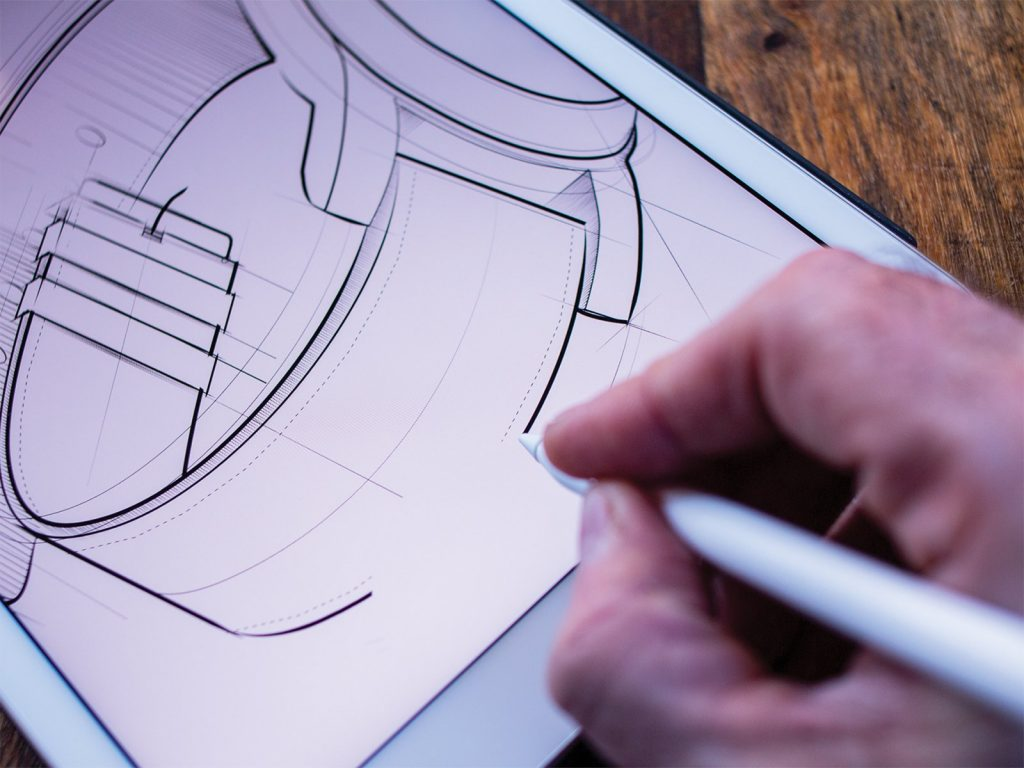
Conception
I initially start my watch design process by sketching out high-level ideas for the case shape and size.
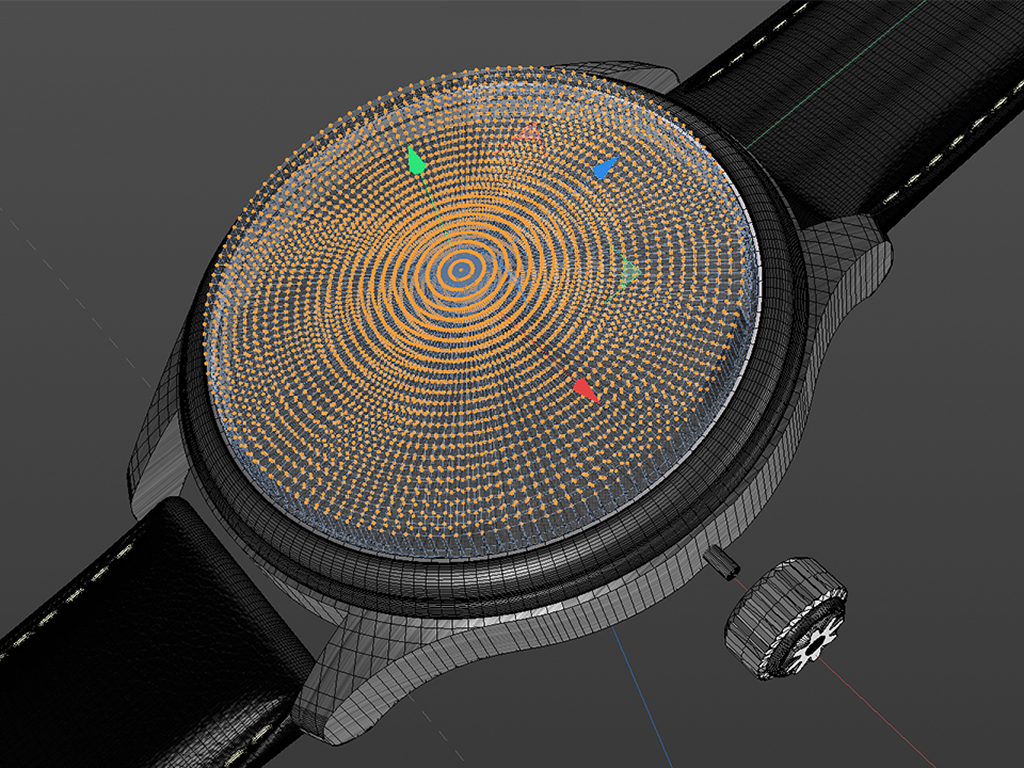
Visualisation
I use CAD to help visualise the form of the watch before working with manufacturers on technical drawings.
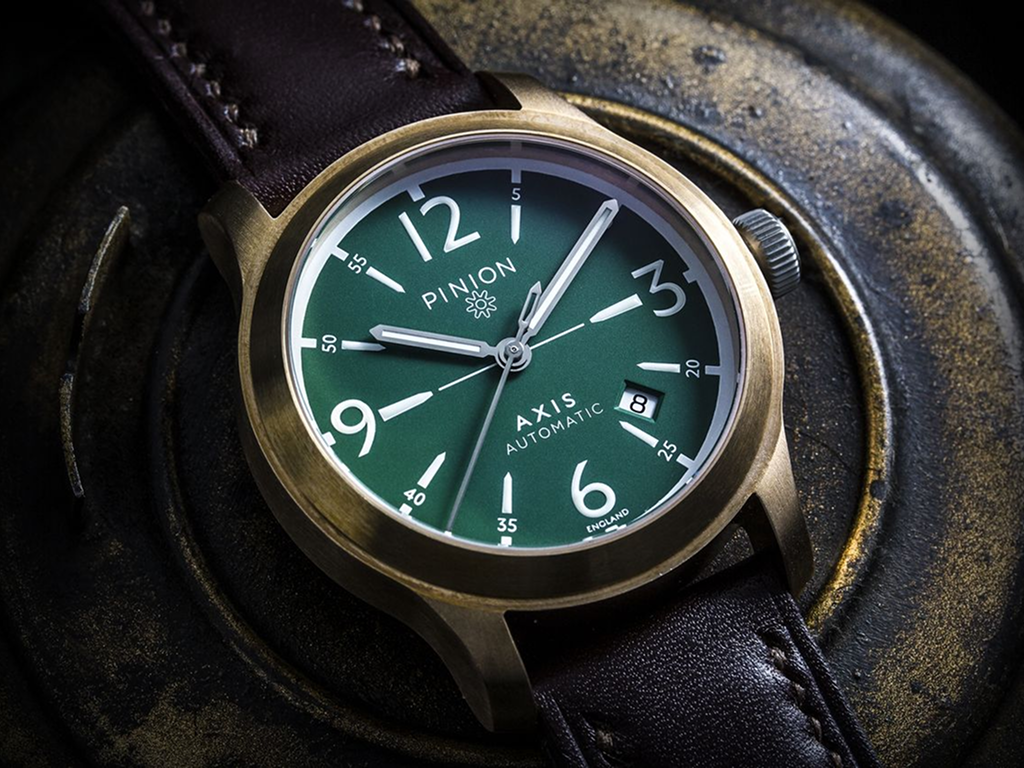
Debut launch
My debut watch was launched in 2013 and was the first watch from a British brand to feature a bronze case.
Wearing Many Hats (and Making Them All Fit)
Running a microbrand (In my spare time) has been the ultimate UX challenge. I wear every hat: designer, researcher, customer support, supply chain manager, and marketer.
-
Research: I use forums, surveys, and customer emails to validate ideas. The Atom 39mm, one of our best-selling models, was co-created with our audience.
-
Feedback loops: I involve customers early—often sharing designs before release. This community-driven approach builds trust and loyalty.
-
SEO as UX: With no advertising budget, I focused on search experience. Pinion ranks consistently in the top 3 for “British watches,” giving the microbrand the digital presence of a much larger brand.
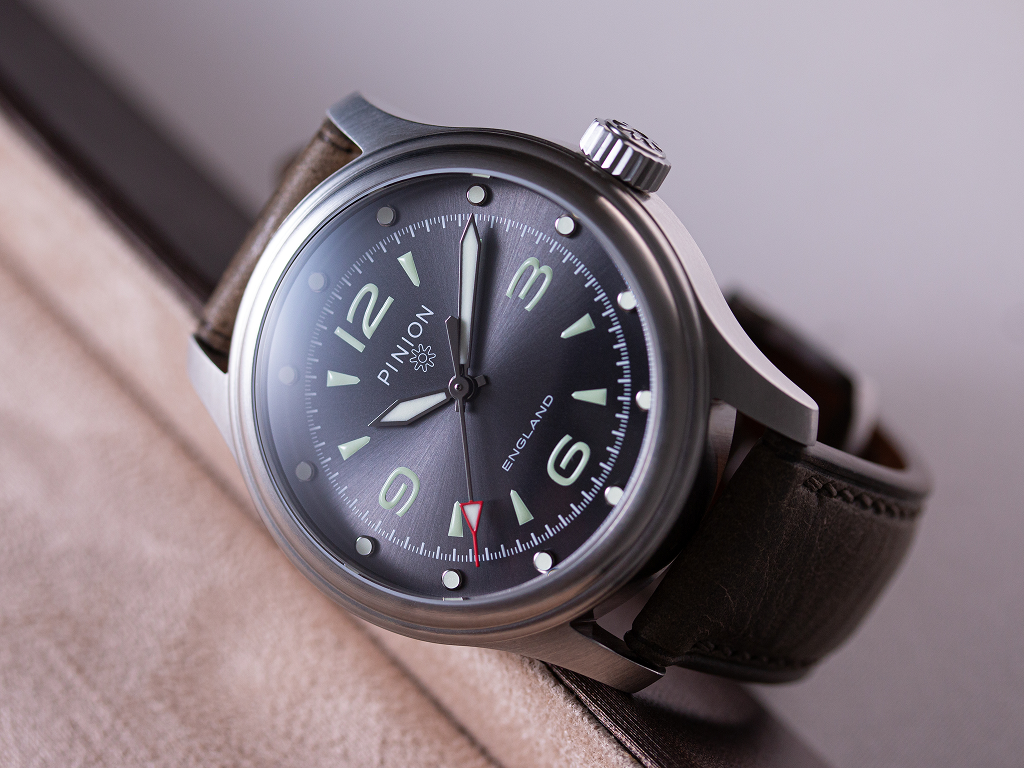
Refined
My approach is to design watches that are classically proportioned, with a tendency to do away with extraneous details, but instead letting the shape, textures and materials shine.
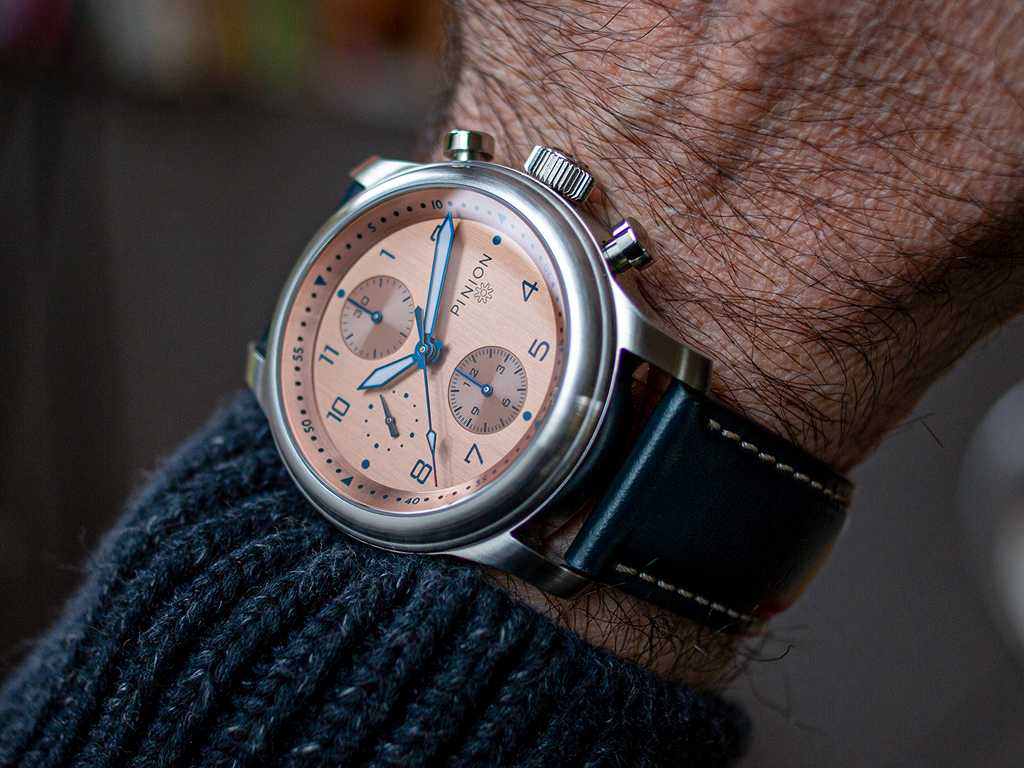
Details
I use electroplated dials such as this salmon colour – which play with the light reflections: subtle indoors, radiant in the sun.
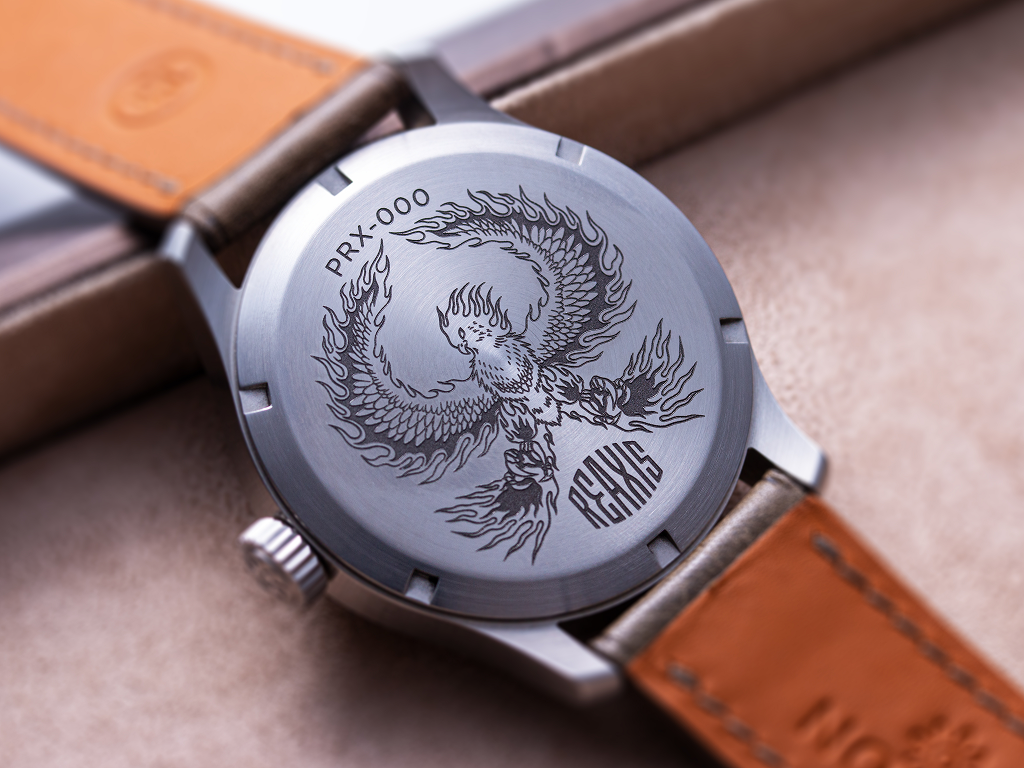
Collaboration
I collaborate with a British artist for illustrations that appear on the back of my watches, which I engrave in-house.
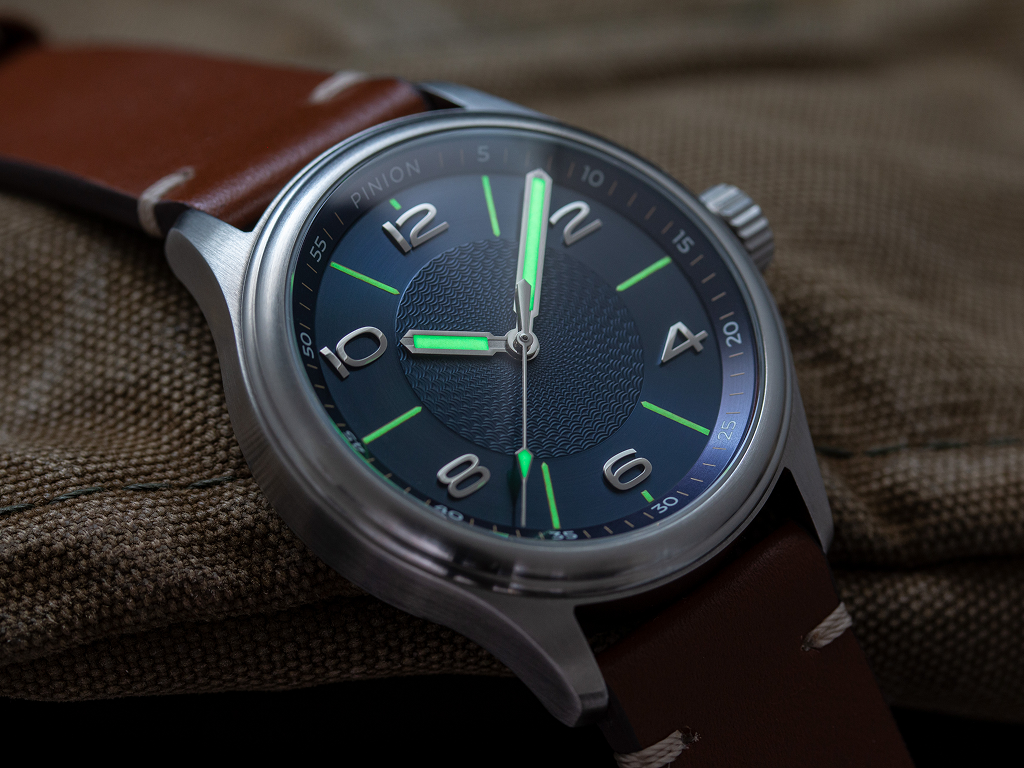
Legibility
I use a compound called Super-Luminova that glows in the dark enhancing legibility.
Success Measured in Stories
The success of Pinion isn’t just commercial, it’s human. Seeing a watch I designed worn by someone across the world is profoundly rewarding. Having our watches appear in major film and TV productions? A surreal bonus.
Some milestones:
-
Sold out multiple limited edition runs within days
-
Collaboration with the RAF and Special Forces for bespoke military editions
-
Pinion being worn in films by John Cena (Fast and Furious 9) and High Grant (The Gentlemen)
-
Hundreds of positive reviews from customers worldwide
But my proudest moments are the messages from customers who wear a Pinion daily—because they love how it feels and what it represents.
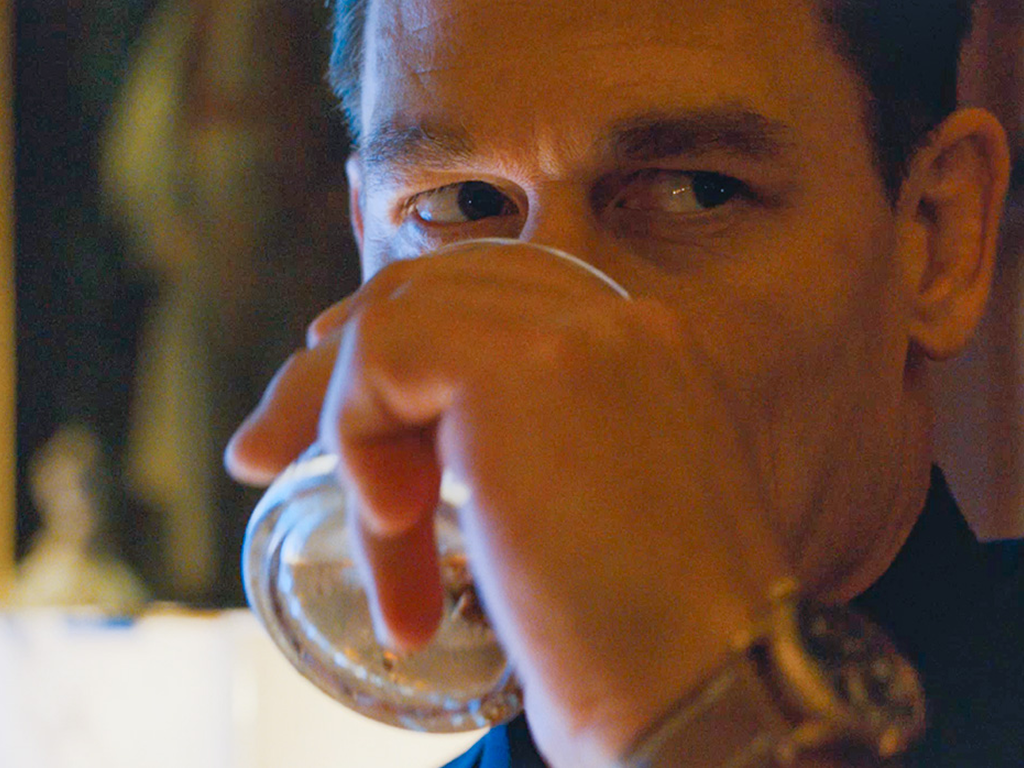
Fast and Furious 9
I made a watch for John Cena to wear in this major Hollywood production.
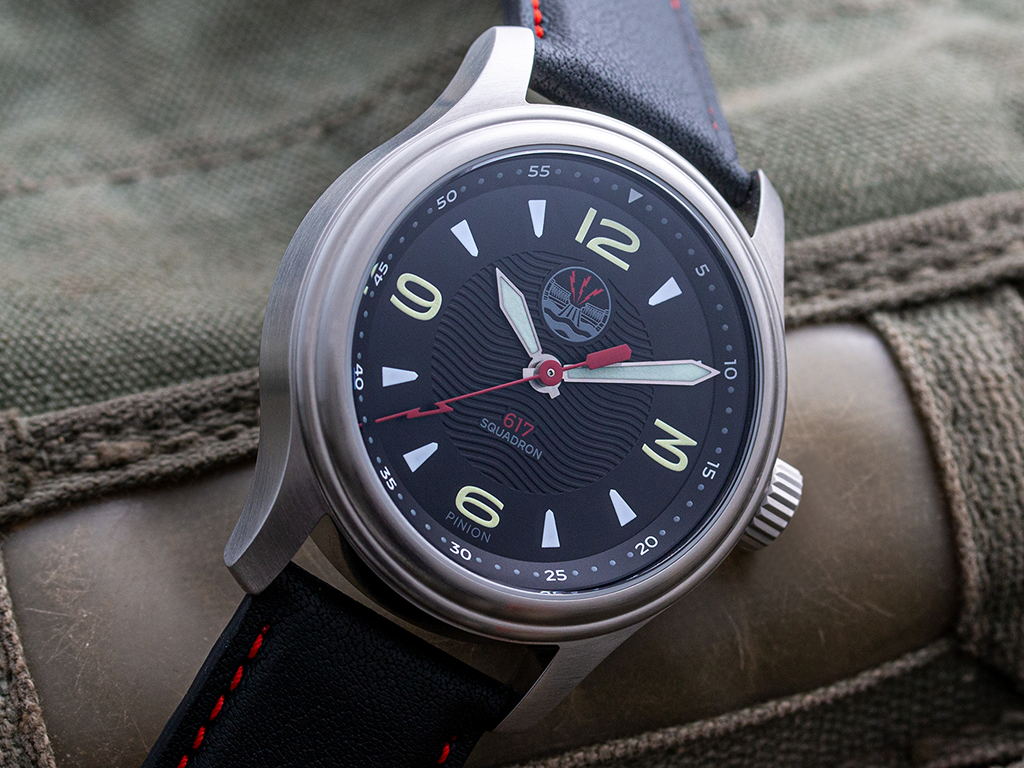
RAF Squadron edition
Working directly with the 617 “The Dambusters” Squadron, I produced a bespoke made watch to celebrate their 80th anniversary in 2023.
Why This Matters in UX
- Pinion exists at the intersection of UX, product design, and entrepreneurship.
- It’s taught me more about user-centred design than any app or website I’ve worked on—because when someone wears your design on their wrist every day, that’s the ultimate feedback loop.
- This case study isn’t just about watches—it’s about what happens when a designer puts users at the centre of a physical product, builds a brand around them, and keeps learning every day.
